












By Andreas Ladegaard Madsen, Bachelor in Sports Science, AU
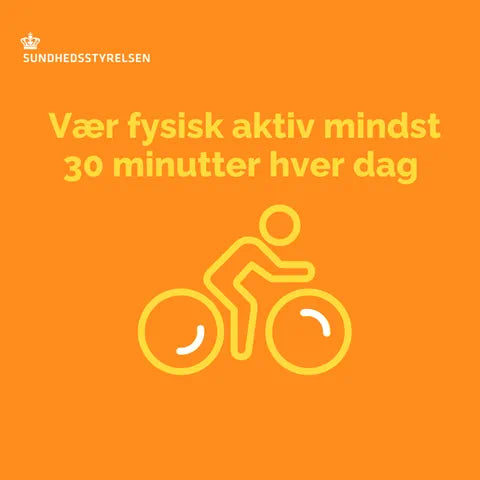
The Danish Health Authority recommends that all adults perform a minimum of 30 minutes of physical activity per day to maintain a healthy lifestyle. This recommendation is based on extensive scientific research that supports the many health benefits of physical activity. In this blog post we will explore why this recommendation is so important and how physical activity can improve both your physical and mental health.
1. Physical Activity Prevents Chronic Diseases
One of the most well-documented benefits of regular physical activity is its ability to prevent and reduce the risk of chronic diseases. Research shows that people who are physically active have a markedly lower risk of developing diseases such as:
-
Cardiovascular diseases: Regular exercise strengthens the heart and circulation, reduces blood pressure and improves cholesterol levels. Activities such as walking, running or cycling have been shown to reduce the risk of heart disease by up to 30% (Warburton et al., 2006).
-
Type 2 diabetes: Physical activity helps regulate blood sugar and improve insulin sensitivity. By being active you significantly reduce the risk of developing type 2 diabetes, as exercise helps the body use glucose effectively.
-
Severe overweight and obesity: Physical activity helps burn calories, which is essential for weight management. When you combine physical activity with a healthy diet, it can lead to weight loss or maintenance of a healthy weight, which reduces the risk of obesity-related diseases.
-
Certain types of cancer: Physical activity is associated with a lower risk of several cancers, including breast, colon, and uterine cancer. According to a comprehensive review of scientific studies (Friedenreich et al., 2016), regular exercise can reduce the risk of certain cancers by up to 20-30%.
2. Improvement of Mental Health
In addition to the physical benefits, there are also significant mental health benefits to being physically active. Physical activity is a well-known method to improve mood and reduce stress, anxiety and depression.
-
Stress reduction: Exercise can help reduce stress levels, as it leads to an increase in the production of endorphins, the body's natural "feel-good" hormones. This can help alleviate symptoms of stress and provide a sense of well-being.
-
Better sleep: Regular physical activity is associated with better sleep quality. It helps regulate the body's circadian rhythm and improves the ability to fall asleep and obtain deep, restorative sleep.
-
Reduced risk of depression: Exercise has a positive effect on brain chemistry, which can help reduce symptoms of depression. According to a meta-analysis of studies, physical activity is an effective treatment for mild to moderate depression (Cuijpers et al., 2016).
3. Improvement Of Muscle Strength and Bone Health
The Danish Health Authority's recommendation of 30 minutes of physical activity per day also supports the strengthening of muscles and bones. To avoid loss of muscle mass and maintain bone health it is important to be physically active.
-
Muscle strength: Physical activity, especially weight-bearing exercises such as strength training, promotes muscle growth and strength. Regular training helps build and maintain muscle mass, which decreases with age if one is not active. This is especially important for older adults, as muscle wasting (sarcopenia) can lead to reduced functional ability and increased risk of falls and injuries.
-
Bone health: Weight-bearing activities, such as walking, running or strength training, help build and maintain bone mass. Exercise improves bone density and reduces the risk of osteoporosis, a condition where bones become fragile and more prone to fracture. By being physically active you maintain bone strength and prevent bone degeneration, which can lead to serious fractures.
4. Physical Activity Increases Quality of Life and Lifespan
Physical activity also has a significant impact on quality of life and can help extend life.
-
Improved quality of life: Regular physical activity not only improves physical health but also quality of life by increasing energy levels, improving mobility and promoting independence, especially among older adults. This means that people can maintain higher functional ability in daily life, making them more independent and able to engage in social and physical activities.
-
Increased lifespan: There is a clear link between physical activity and longer lifespan. According to a study published in The Lancet, regular physical activity of moderate intensity, e.g. brisk walking, can reduce mortality by up to 30% (Lee et al., 2012).
5. The Danish Health Authority's Recommendations in Correct Context
The Danish Health Authority recommends that all adults perform a minimum of 30 minutes of physical activity per day, as this level of activity is sufficient to achieve the health benefits we have described. It is not necessary to perform intense training or engage in elite-level sport. Light to moderate activity such as brisk walking, cycling or dancing can provide the same benefits.
It is also important to point out that the Danish Health Authority supports the combination of both aerobic activity and strength training as an optimal approach to health. Aerobic activity (such as walking, running or swimming) strengthens the heart and circulation, while strength training helps build muscle strength and maintain bone health.
6. How Do You Get Started?
Although it can be difficult to get started with physical activity, it is important to find an activity you enjoy and that fits into your daily routine. Start small and gradually build up your training. The goal is to find activities that bring you joy and that are sustainable in the long term. Examples of activities can be:
-
Walks in nature
-
Bike rides
-
Swimming
-
Dancing
-
Strength training
Conclusion
The Danish Health Authority's recommendation of 30 minutes of physical activity per day is a simple but effective strategy to prevent disease, improve mental health and promote a longer and healthier life. Scientific research has clearly shown that even moderate amounts of physical activity can have a profound positive impact on our health. So take a step toward a healthier lifestyle today, and begin incorporating regular physical activity into your daily routine.
Sources:
-
Warburton, D. E., Nicol, C. W., & Bredin, S. S. (2006). Health benefits of physical activity: the evidence. Canadian Medical Association Journal, 174(6), 801-809.
-
Cuijpers, P., Weitz, E., Andersson, G., & van Straten, A. (2016). Psychological treatment of depression in adults: A meta-analysis of comparative effectiveness studies. Journal of Affective Disorders, 202, 511-518.
-
Friedenreich, C. M., et al. (2016). Physical activity and cancer prevention: a systematic review. European Journal of Cancer, 61, 107-114.
-
Lee, I. M., et al. (2012). Effect of physical inactivity on major causes of death in the United States. JAMA, 298(19), 2145-2152.




Leave a comment
This site is protected by hCaptcha and the hCaptcha Privacy Policy and Terms of Service apply.